What Causes Roof Leaks? Prevention & Repair Tips
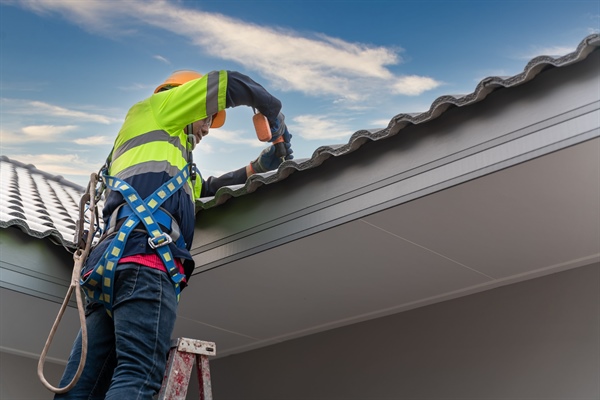
Roof leaks often start as minor annoyances but can quickly escalate into major structural issues if left unaddressed. Understanding the common causes of water intrusion is the first step for any homeowner in maintaining a dry, secure living environment. By identifying vulnerabilities early, you can protect your property from mold, wood rot, and expensive interior damage.
Prevention remains the most effective strategy for managing your home's exterior health. This guide explores why roofs fail and how proactive maintenance keeps your investment safe. Whether you are dealing with aging shingles or the aftermath of a Wisconsin storm, knowing the signs of trouble ensures you can act before a drip becomes a flood.
Key Takeaways:
- Common leak sources include damaged shingles, cracked flashing, and clogged gutter systems.
- Ice damming is a significant risk in cold climates, requiring proper attic insulation and ventilation.
- Regular inspections and immediate professional repairs prevent localized leaks from becoming full-scale roof failures.
Identify Common Sources of Roof Leaks
Damaged or missing shingles are the most frequent culprits behind residential roof leaks. When shingles crack, curl, or blow away during high winds, the underlying roof deck becomes exposed to moisture. Over time, water seeps through these gaps and enters the attic space, leading to visible stains on your ceilings. For homeowners in Madison, WI, these issues are often exacerbated by the region's diverse weather patterns.
Cracked flashing is another primary source of water intrusion. Flashing consists of thin metal pieces installed around roof transitions, such as chimneys, vents, and dormers. If the sealant under the flashing dries out or the metal corrodes, water can easily bypass these barriers. Identifying these weak points early through a professional roof repair assessment can save thousands in restoration costs.
Clogged Gutters Cause Serious Roof Leaks
Clogged gutters frequently lead to roof leaks by forcing water to back up under the edge of the roofline. When leaves, twigs, and debris obstruct the flow of water, the gutter fills and overflows. This trapped water often saturates the fascia board and seeps under the first row of shingles, rotting the roof deck from the bottom up. Maintaining clear drainage paths is essential for protecting the perimeter of your home.
Standing water in gutters also increases the weight load on your home's eaves. This stress can pull the gutters away from the house, creating gaps where water can pour directly into your siding or foundation. Isthmus Roofing recommends regular cleaning to ensure that your siding and roofing materials remain dry and functional throughout the rainy season.
Ice Damming Contributes to Water Damage
Ice dams contribute to roof damage by creating a wall of ice at the eaves that prevents melting snow from draining. This occurs when heat escapes from the attic, melting the snow on the upper parts of the roof. The runoff then refreezes at the colder edges of the roof. As more snow melts, the water pools behind the ice dam and eventually works its way under the shingles and into your home.
Proper ventilation and insulation are the best defenses against this winter phenomenon. By keeping the roof temperature consistent with the outdoor air, you can prevent the freeze-thaw cycle that creates these dams. If you notice large icicles or water stains along your exterior walls, it may be time to consult a professional about winter-ready roofing solutions.
Steps to Take After Discovering Leaks
Contain the water immediately to minimize interior damage to your floors and furniture. Use buckets or plastic bins to catch drips and move valuables away from the affected area. If you see a bulge in the ceiling, poking a small hole in the center with a screwdriver can release the trapped water and prevent the entire ceiling panel from collapsing under the weight.
Document the damage for insurance purposes by taking clear photos of the leak and the surrounding areas. Once the situation is stabilized indoors, contact a licensed contractor to perform a thorough inspection. Professional roof installation and repair experts can identify the precise entry point that may not be visible from the ground.
Frequency of Routine Homeowner Roof Inspections
Homeowners should inspect their roofs at least twice per year to ensure long-term leak prevention. Ideally, these checks should occur in the spring after the snow melts and in the fall before the first freeze. These seasonal inspections allow you to clear debris and check for any shingles that may have been loosened by seasonal temperature shifts or heavy winds.
Performing a quick visual scan after any major weather event is also highly recommended. Look for granules in the gutters or shingles in the yard, as these are clear indicators that your roof has sustained wear. If you suspect your home has been hit by a storm, reach out to Isthmus Roofing for a professional evaluation to keep your warranty and home intact.
Frequently Asked Questions
How can I tell if a leak is coming from the roof or plumbing?
Check the timing of the leak to differentiate between roofing and plumbing issues. If the leak only occurs during rainstorms or snowmelt, it is likely a roofing problem, whereas a constant drip or one associated with appliance use points to plumbing. You can also inspect the attic for water trails leading from the roof deck to confirm an exterior breach.
Is it safe to walk on my roof to find a leak?
Walking on a roof can be dangerous and may cause further damage to the shingles, especially if they are old or brittle. It is much safer to use binoculars from the ground or view the roof from a sturdy ladder at the eave. For a comprehensive and safe assessment, hiring a professional with the proper safety gear is always the best option.
Can a small leak wait until next season for repair?
No, a small leak should never be ignored as it will inevitably grow into a larger, more expensive problem. Even a tiny amount of moisture can trigger mold growth and structural rot within weeks. Addressing the issue immediately ensures that the repair remains localized and affordable.
At Isthmus Roofing, we are dedicated to protecting your home from the unpredictable Wisconsin weather. Our team provides expert craftsmanship and honest assessments to ensure your roof remains a reliable shield for your family. If you suspect a leak or need a routine inspection, we are here to help.
Ready to secure your home? Contact us today for a free estimate.