Professional Roofing Estimate Checklist: What to Expect and Review
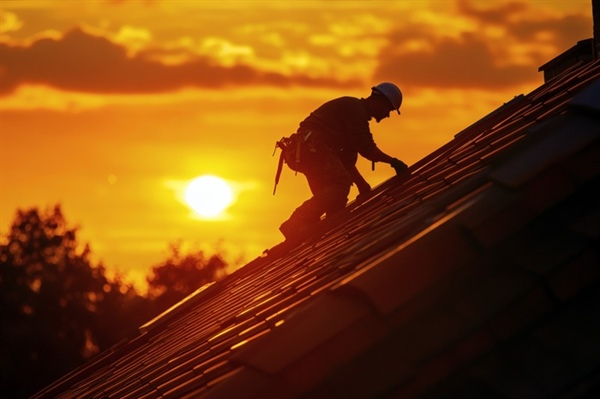
When homeowners start planning a roof replacement or repair, understanding what goes into a professional roofing estimate is critical. A well-prepared estimate outlines not just the cost, but the scope of work, materials, warranties, and timeframes involved. It helps you evaluate a contractor’s professionalism and reliability before any shingles are removed.
For homeowners working with reputable companies like Isthmus Roofing, a detailed roofing estimate provides confidence that no corners will be cut and every aspect of the job has been considered. For those ready to request one, you can easily begin by requesting a roofing estimate.
This article will explore key elements to review in a roofing estimate and what to expect during the process. We’ll examine whether inspection fees are included, how detailed a proposal should be, and how labor, materials, and warranties should be itemized. Understanding these areas ensures you’re making an informed, data-driven decision for your home investment!
Are Inspection Fees Typically Included?
In most professional roofing estimates, the inspection fee policy varies depending on the contractor and the scope of work. Many reputable roofing companies include the inspection as part of their overall service when you agree to move forward with the project. If a fee is applied, it often covers the time, safety equipment, and diagnostic expertise required to assess roof condition, material degradation, flashing integrity, and ventilation systems.
Some contractors will waive inspection fees if the homeowner proceeds with a replacement or repair. This approach demonstrates transparency and helps ensure the evaluation process is thorough. Inspection costs can also differ for residential versus commercial projects. Commercial roof inspections may require core sampling, infrared imaging, or structural assessments, which can justify a separate line item.
Always confirm whether inspection costs are built into your roofing estimate. A professional estimator will clearly state whether the charge is refundable or applied toward your final invoice, eliminating any uncertainty before the work begins.
How Detailed Should a Roofing Proposal Be?
A professional roofing proposal should contain more than a price tag—it should function as a comprehensive document outlining all aspects of the project. This includes the type and manufacturer of roofing materials, underlayment, ventilation components, flashing specifications, and fastener details. It should also define the work area boundaries, debris removal process, and any contingencies for hidden damage discovered once the existing roof is removed.
Highly detailed proposals help protect both the homeowner and contractor by minimizing scope ambiguity. An organized proposal from a contractor like Isthmus Roofing will often include diagrams, product names, warranty details, and installation methods that comply with manufacturer requirements. The inclusion of such detail not only supports transparency but also ensures warranty validity and compliance with local building codes.
When reviewing your roofing proposal, look for specific notes on scheduling, estimated completion time, and clean-up expectations. A precise document reflects professionalism and thorough planning — key indicators that your project will proceed efficiently and according to plan.
Should Labor, Materials, and Warranty All Be Itemized?
Yes. Itemization of labor, materials, and warranties in a roofing estimate provides clarity and protects you from unexpected costs. Each of these components should appear as distinct sections in a detailed estimate. Labor should list hourly or per-square rates, anticipated crew size, and safety protocol requirements. Materials should specify brand names, quantities, and whether the products are standard or premium-grade options.
Warranty itemization is equally critical. A professional roofer distinguishes between manufacturer warranties (covering defects in shingles, membranes, or sealants) and workmanship warranties (covering installation quality). Manufacturer warranties typically range from 20 to 50 years, while workmanship warranties vary by contractor. Understanding the difference allows you to evaluate both the product’s durability and the contractor’s accountability.
When reviewing multiple proposals, a detailed cost breakdown can reveal significant pricing differences between contractors using identical materials. Transparency in pricing also makes it easier to compare proposals fairly without hidden expenses or vague terms.
What Red Flags in a Roofing Quote Should I Watch Out For?
Several warning signs in roofing estimates indicate potential problems. One major red flag is a lack of detail. A vague or one-page estimate that doesn’t specify material types, warranty coverage, or installation procedures should be avoided. This absence of clarity leaves room for cost increases or substandard materials during construction.
Another concern is any demand for large upfront payments. While deposits are standard in construction, reputable contractors rarely require more than one-third of the total cost before work begins. Excessive prepayment requests may signal cash flow issues or unreliability. Additionally, contractors who do not provide proof of insurance or licensing should be dismissed immediately.
Homeowners should also scrutinize quotes that are significantly lower than competitors. Unrealistically low bids may indicate omitted scope elements, cheap materials, or a lack of warranty coverage. Comparing written estimates side by side allows you to identify these discrepancies before committing to a contract.
How Can I Compare Multiple Roofing Estimates Effectively?
Comparing multiple roofing estimates is most effective when you evaluate them using a structured checklist. Start by confirming that each contractor uses equivalent materials, installation methods, and warranty lengths. Ensure all quotes specify the same roofing system type — such as asphalt shingle, metal, or membrane roofing — so you’re not comparing dissimilar projects.
Next, review the itemization of labor and material costs to identify any hidden charges. Evaluate the scope of services included, such as debris removal, flashing replacement, or ventilation upgrades. Pay attention to warranty differences; even if two quotes appear similar in price, one might include a 10-year workmanship warranty while another offers a 25-year warranty. These details have a direct impact on long-term value.
Once you’ve evaluated the technical and financial aspects, consider each contractor’s reputation and responsiveness. Established companies like Isthmus Roofing demonstrate their credibility through detailed documentation, clear communication, and verifiable references, making the comparison process straightforward and reliable.
Partner with Isthmus Roofing for Trusted Roofing Expertise
When reviewing roofing estimates, experience and clarity make all the difference. Isthmus Roofing provides homeowners with detailed, transparent proposals that outline every phase of the project, from inspection and material selection to warranty documentation and completion.
If you’re ready to take the next step, contact the experts at Isthmus Roofing today! For more information or to schedule your inspection, contact us online.