Why Hiring a Fully Insured Roofer Protects You from Costly Damage
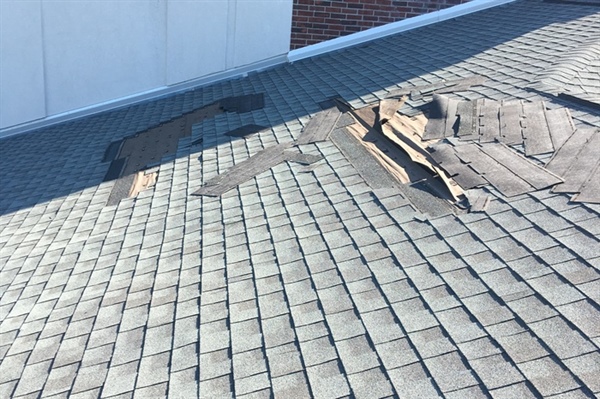
Hiring a roofer is a serious investment, and one of the most overlooked aspects of that decision is whether the contractor is fully insured. Roofing is a high-risk profession, and even a small oversight can lead to costly property damage or serious injury.
When homeowners fail to verify insurance, they risk financial exposure that could have been avoided with a single question. Choosing an insured roofer protects both your property and your peace of mind, ensuring that liability and workers’ compensation coverage are in place if something goes wrong.
In this article, we’ll cover common homeowner concerns such as the risks of hiring an uninsured roofer, the difference between liability and workers’ compensation coverage, and who pays when a worker is injured on your property. We’ll also explore other topics to help you make informed decisions and avoid unnecessary expenses!
The Risk of Hiring an Uninsured Roofer
Hiring an uninsured roofer exposes homeowners to significant financial and legal risk. If a roofer causes damage to your property, such as puncturing decking, damaging gutters, or breaking skylights, you may be forced to pay for those repairs out of pocket. Without liability insurance, there’s no financial protection to cover accidental damage or mistakes during a roof installation. In addition, uninsured roofers are often unlicensed or operate without oversight, which increases the likelihood of substandard workmanship.
Another major concern is injury. Roofing is one of the most dangerous construction trades, and falls or accidents can lead to medical bills, lawsuits, and even liens placed against your home. A contractor’s insurance policy protects homeowners from these liabilities. Without it, any injury that occurs during the project could result in personal financial responsibility.
Homeowners should always request proof of insurance before signing a contract. Verify both liability and workers’ compensation coverage and confirm that the policy is active. A professional roofing contractor like Isthmus Roofing provides this documentation upfront to maintain transparency and protect both parties.
The Difference Between General Liability and Workers' Compensation
General liability and workers’ compensation serve different but equally critical purposes in roofing projects. General liability insurance covers property damage and accidents that occur as a result of the roofer’s work. For example, if a contractor accidentally breaks a window or damages siding during a roof repair, liability insurance pays for those repairs. It ensures that the homeowner doesn’t bear the financial burden of accidental or negligent damage caused by the contractor.
Workers’ compensation, on the other hand, protects employees who are injured on the job. It covers medical costs, lost wages, and rehabilitation expenses. This policy shields homeowners from lawsuits if a roofer or laborer sustains injuries while working on their property. Without workers’ compensation, an injured worker could file a personal injury claim against the homeowner, leading to costly legal action.
Together, these policies form the foundation of a roofer’s insurance protection. They ensure that any accident, injury, or damage during the project is handled through the proper insurance channels instead of through homeowner's liability.
Who Pays if a Worker Gets Hurt on My Property?
If a roofer or laborer is injured while working on your home, liability depends entirely on the contractor’s insurance status. A properly insured roofing company carries workers’ compensation coverage that pays for the worker’s medical bills and lost wages. This prevents homeowners from becoming financially responsible for workplace injuries.
If the roofer is uninsured, the situation becomes far more complicated. The injured worker can pursue a claim directly against the homeowner under premises liability. Even if you didn’t cause the accident, the injury occurred on your property, making you a potential target for legal action. This is why hiring an uninsured contractor is such a dangerous gamble — it exposes homeowners to lawsuits, settlements, and even liens.
The safest course is to verify that your contractor provides an active certificate of insurance. Responsible roofing companies provide proof of both general liability and workers’ compensation before any work begins, protecting you from unexpected claims and expenses.
Will Homeowner’s Insurance Cover Poor Roofing Work?
Homeowner’s insurance generally does not cover poor workmanship or contractor negligence. Most standard policies exclude damage resulting from faulty construction, defective materials, or improper installation. If an uninsured roofer performs low-quality work that leads to leaks, structural damage, or mold, your insurance provider is unlikely to cover the repair costs.
In contrast, if your roofer is fully insured and damage occurs as a direct result of their work, their liability insurance covers those costs. This distinction is critical because many homeowners assume their insurance will protect them in every situation. Understanding these exclusions helps you avoid relying on a policy that won’t apply to contractor mistakes.
Always verify the contractor’s credentials, including licensing and insurance documentation. Doing so ensures accountability and provides a path to recover damages through the roofer’s insurance policy if something goes wrong.
Should Insurance Documentation Be Included in the Contract?
Yes. Insurance documentation should always be part of your roofing contract. Including this information ensures transparency and provides a record of the roofer’s coverage at the time of service. A written contract with attached proof of insurance prevents disputes about liability if damage or injury occurs during the project.
The insurance section of a roofing contract should list policy numbers, coverage types, and expiration dates. It’s also wise to require the contractor to maintain coverage throughout the duration of the project. This is common practice among professional contractors like Isthmus Roofing, who prioritize client protection through clear documentation.
Including insurance details in your contract protects you from potential claims and gives you peace of mind. It confirms that your contractor is operating legally and that you’re financially shielded against accidents and damage during the project.
Protect Your Home with a Fully Insured Roofing Contractor
Hiring a fully insured roofer is the most effective way to safeguard your home, your finances, and your peace of mind. At Isthmus Roofing, we maintain active general liability and workers’ compensation coverage for every project.
Whether you need roof installation, repair, or replacement, our team provides quality craftsmanship backed by complete protection. To learn more about our services or verify insurance documentation, contact us today or reach us directly at 608-949-0533!