How Roof Ventilation Improves Energy Efficiency and Roof Longevity
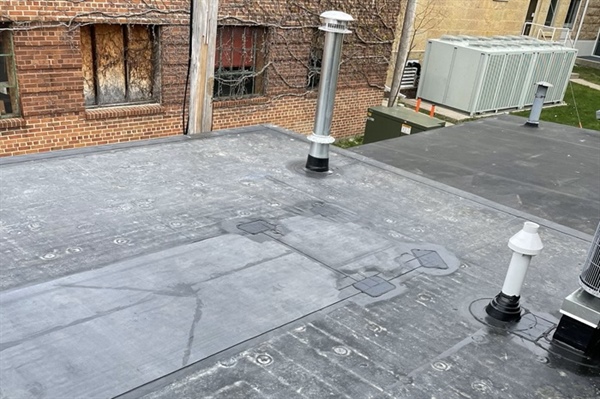
Roof ventilation plays a critical role in maintaining both the energy efficiency and longevity of a roofing system. Proper airflow under the roof deck reduces trapped heat, moisture buildup, and stress on roofing materials.
In climates like Wisconsin, where summers are humid and winters are frigid, balanced attic ventilation keeps temperatures consistent and prevents condensation that can damage the structure over time. For homeowners and contractors alike, understanding the relationship between ventilation and roof performance is key to achieving a durable, efficient home.
This article explains how effective ventilation works and why it matters. We’ll explore five core aspects of roof ventilation: the difference between intake and exhaust systems, how poor airflow leads to shingle deterioration, how proper attic ventilation reduces energy costs, which options perform best in Wisconsin, and how professional roofing contractors evaluate airflow during installation.
Each section below provides technical insight based on proven roofing science and construction best practices from roof installation experts like Isthmus Roofing!
The Difference Between Intake and Exhaust Ventilation
A well-designed roof ventilation system relies on the balance between intake and exhaust components. Intake vents, typically installed in soffits or along the eaves, draw fresh air into the attic. Exhaust vents, located near the ridge or high points of the roof, release warm, moist air.
Together, these components create a continuous airflow cycle that maintains proper attic temperature and humidity. Without adequate intake, exhaust vents become ineffective, leading to negative pressure that can draw conditioned air from living spaces instead of exterior air.
Intake ventilation works by utilizing the natural properties of air movement. Cooler, denser air enters through soffit vents and rises as it warms. Exhaust ventilation takes advantage of this natural convection, allowing lighter, warmer air to escape through ridge or gable vents. The design should maintain a balanced ratio — generally, the same amount of net free vent area for intake as for exhaust—to ensure smooth airflow throughout the attic cavity.
In professional roof installation, contractors often use continuous ridge vents paired with perforated soffit panels to maintain this equilibrium. This setup supports consistent air circulation across the entire roof surface, preventing heat and moisture accumulation that would otherwise damage insulation and roof decking.
How Poor Ventilation Causes Premature Shingle Failure
Insufficient ventilation traps heat and moisture beneath the roof surface. Over time, this excess heat accelerates the aging of asphalt shingles by softening the adhesive layers, causing curling, blistering, and granular loss. During winter, trapped moisture can freeze and thaw repeatedly, weakening the shingle structure and leading to early failure. In extreme cases, prolonged exposure to moisture can cause the roof decking to rot, creating structural instability that shortens the entire roof’s service life.
Poor ventilation also increases attic humidity, which condenses on the underside of the roof deck. This moisture migrates into the insulation, reducing its thermal resistance (R-value) and promoting mold growth. The result is a roof system that not only deteriorates faster but also performs less efficiently year-round. Manufacturers often void warranties if ventilation does not meet minimum building code requirements because improper airflow directly contributes to shingle breakdown.
To prevent these problems, roofing professionals analyze ventilation design during each roof repair or replacement project. By maintaining proper intake and exhaust ratios, they preserve material integrity and ensure the roof functions within its intended lifespan.
How Attic Ventilation Lowers Heating and Cooling Costs
Attic ventilation significantly influences household energy consumption. In summer, attics can reach temperatures exceeding 140°F without sufficient airflow, transferring heat into living spaces and forcing air conditioners to work harder. Proper ventilation exhausts this hot air, keeping attic temperatures closer to ambient outdoor levels and reducing the cooling load on HVAC systems. In winter, balanced airflow prevents warm indoor air from accumulating in the attic and melting roof snow, which can lead to ice dams and energy loss.
Energy studies show that homes with properly ventilated attics can reduce cooling costs by up to 10–15% annually. The consistent exchange of air stabilizes interior temperatures and helps insulation perform at its full efficiency rating. Maintaining dry attic conditions also prevents wood expansion and contraction that can compromise energy seals around vents and ducts.
During roof installation, contractors often assess existing insulation thickness and vapor barriers to optimize ventilation design. A balanced system ensures that insulation stays dry, air circulation remains consistent, and heating and cooling systems operate efficiently throughout the year.
The Best Ventilation Options for Wisconsin Homes
Wisconsin’s variable climate demands roof ventilation systems that can perform in both high humidity and extreme cold. The most effective setups combine continuous ridge vents with soffit or eave vents to provide uniform airflow. For older homes without sufficient soffit space, gable vents or powered roof vents may be used to supplement airflow. Ridge vent systems are preferred because they operate passively using natural convection, requiring no mechanical energy while offering reliable performance in every season.
Cold weather introduces the additional challenge of ice dam prevention. Adequate ventilation keeps attic temperatures close to outdoor temperatures, reducing the risk of snow melt and refreezing at the eaves. Properly installed vapor barriers and insulated ductwork complement ventilation performance by minimizing condensation. For Wisconsin homeowners, the ideal system balances durability with energy efficiency to withstand temperature swings and moisture exposure throughout the year.
Experienced roofing contractors in Fitchburg and surrounding areas, like Isthmus Roofing, integrate local building codes and climatic conditions into every roof installation plan to ensure reliable, long-term performance.
How Roofing Contractors Assess Proper Airflow During Installation
Professional roofing contractors evaluate ventilation effectiveness through both design calculations and on-site inspection. The process begins with measuring the attic’s square footage to determine the required Net Free Vent Area (NFVA), usually 1 square foot of ventilation for every 150 square feet of attic floor space. Contractors then assess soffit and ridge accessibility to confirm whether balanced intake and exhaust can be achieved without structural changes.
Thermal imaging and moisture meters help identify existing airflow obstructions or moisture problems. During installation, contractors verify continuous air channels along rafters and inspect baffles to prevent insulation blockage. These steps guarantee that air moves unobstructed from intake to exhaust, preserving proper ventilation efficiency.
Specialized roofing companies like Isthmus Roofing combine these technical evaluations with manufacturer specifications to meet or exceed code requirements. This approach ensures consistent attic airflow, improved energy performance, and a roof structure built for long-term resilience.
Contact Isthmus Roofing for Professional Roofing and Ventilation Services
Isthmus Roofing provides comprehensive residential and commercial roofing solutions throughout Wisconsin. Whether addressing premature shingle wear, improving airflow balance, or installing energy-efficient ventilation systems, we always apply proven methods to extend roof lifespan and optimize thermal performance.
Contact us online or call 608-949-0533 to schedule an assessment and receive professional guidance on long-lasting, energy-efficient roofing systems!